 truongad
You have picked your island and booked your stay. The big decisions are done. But the details that make or break a first trip to Hawaii are the small ones — the sunscreen you packed, the side of the island you drive to, the words you say when you walk into a local shop.
These are the Hawaii travel tips for first-timers that go beyond “which island should I visit.” They are the things experienced travelers learn the hard way, so you don’t have to.
Know the New 2026 Rules Before You Arrive
Hawaii has tightened several rules to protect its land, reefs, and communities. A first-timer who shows up unprepared can get turned away at the gate — or fined.
Short-term rentals are more restricted than ever. As of 2026, Maui is phasing out thousands of vacation rentals, Oahu only permits long-term stays of 90 days or more in most residential areas, and the Big Island limits short-term rentals to specific zones. Always confirm your rental is legal and located in an approved area before you pay.
Book early — earlier than you think. Cheap flights to Hawaii disappear fast, but lodging, rental cars, popular luaus, and famous restaurants book up even faster. Mama’s Fish House on Maui takes reservations up to 18 months in advance. If there is something you must do, reserve it the moment your dates are set.

Pack the Right Sunscreen (Your Brand May Be Banned)
Before you toss your usual sunscreen in your bag, check the label. Hawaii has banned the sale of sunscreens containing oxybenzone and octinoxate — chemicals linked to coral reef bleaching. These products are no longer sold in the islands, and using them is discouraged everywhere.
Buy a reef-safe mineral sunscreen (look for zinc oxide or titanium dioxide) before you fly, or pick one up after you land. It is a small swap that protects the reefs you came to see.
Understand Windward vs. Leeward — It Changes Your Whole Day
Every Hawaiian island has two distinct sides, and knowing the difference will save your beach day.
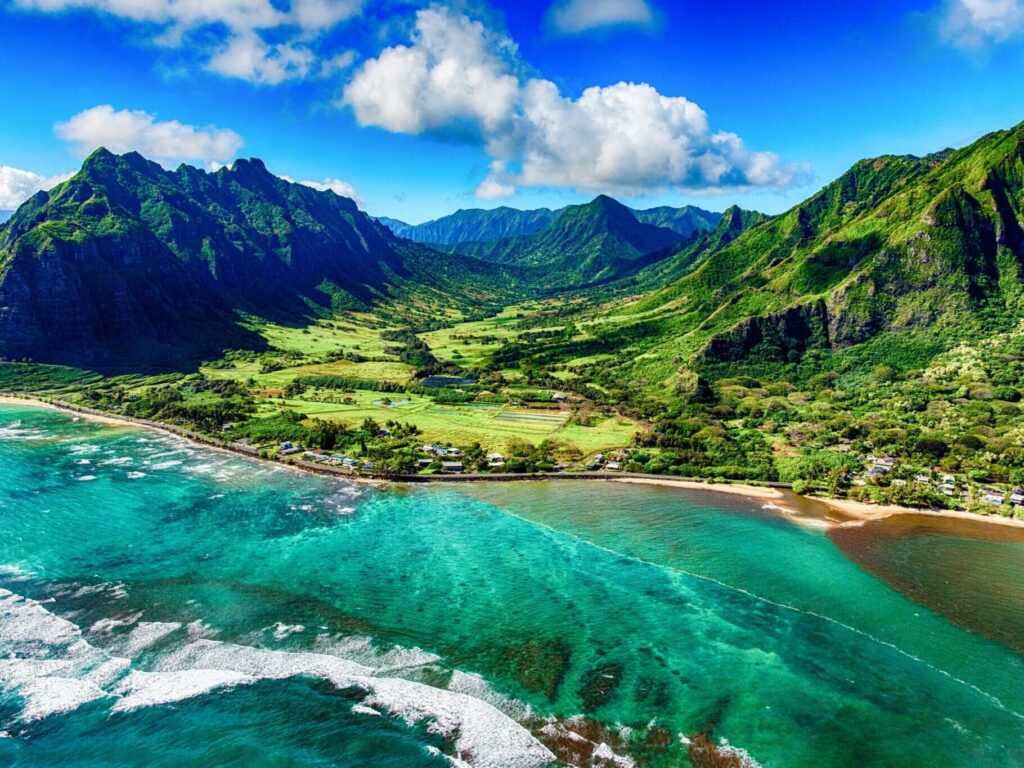
The windward side faces the trade winds. It gets more rain and wind, which is exactly why it is lush, green, and full of waterfalls. The leeward side sits sheltered from the wind, so it stays drier and sunnier — and that is where most of the famous postcard beaches are.
The practical takeaway: if it is raining where you are staying, the other side of the island is often bright and dry. Chasing waterfalls and jungle scenery? Head windward. Want guaranteed sun and calm swimming? Go leeward. A 30-minute drive can completely change your weather.
Snorkel Smart — It Is Not as Safe as It Looks
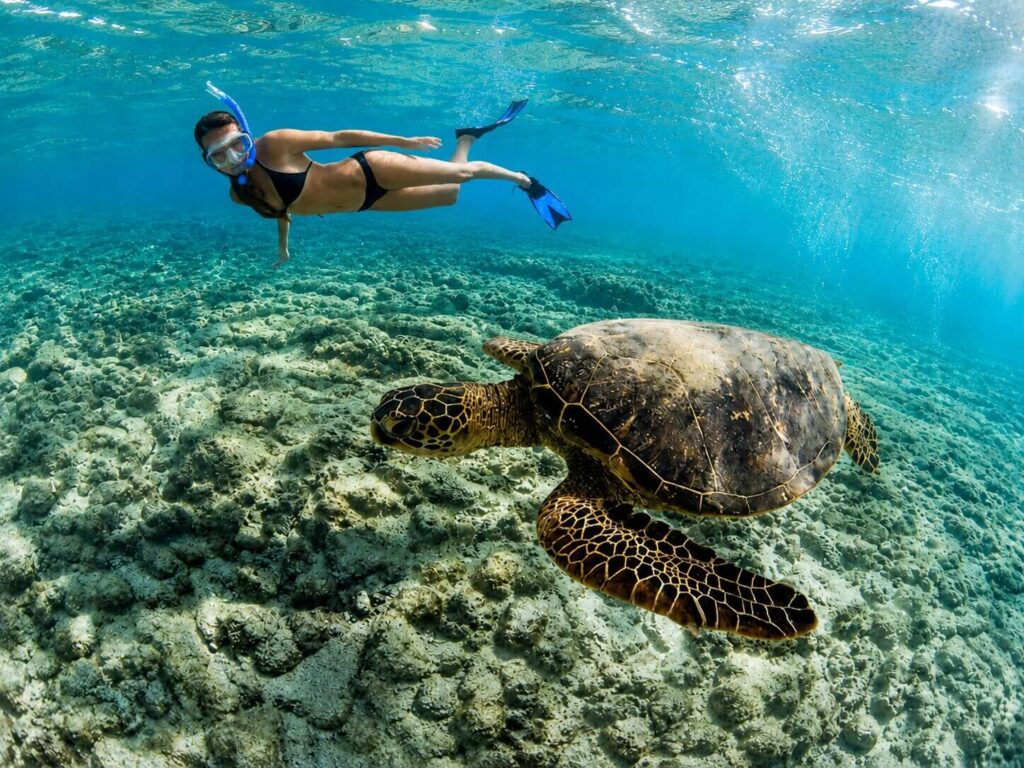
The water is the whole point, and snorkeling in Hawaii is unforgettable: turtles, octopus, and reef fish in warm, clear water. But first-timers underestimate the risk. Drowning is the number one cause of visitor death in Hawaii, and snorkeling is involved more often than people expect.
A few rules to snorkel safely and responsibly:
1. Use gear that fits. A leaky mask or fins that slip off are not just annoying — they are a safety hazard. Rent quality gear from a shop that can fit you properly rather than grabbing the cheapest set off a shelf.
2. Check conditions first. Ocean swells change daily and by season. When in doubt, don’t go out, and favor beaches with lifeguards.
3. Keep your distance from wildlife. Stay at least 10 feet from sea turtles, 50 feet from monk seals, and 50 yards from spinner dolphins. These are not suggestions — they are law.
Live Aloha: Respect the Culture That Makes Hawaii, Hawaii
Hawaii is a US state, but it was a sovereign kingdom with a deep culture and history long before that. The travelers who have the best trips are the ones who arrive with humility and curiosity.
1. Learn a few words. A simple “mahalo” (thank you) or “aloha” goes a long way. Locals notice the effort, and it is a genuine sign of respect.
2. Mind the small courtesies. Remove your shoes before entering a home. Don’t take rocks or sand as souvenirs. Don’t trespass on private or sacred land for a photo — no view is worth disrespecting the people who live here.
3. Go deeper than the beach. Spend an afternoon at a museum, a historic site, or a heritage park to understand the islands beyond the resort. It will reshape how you see everything else on your trip.
A Few Final First-Timer Notes
1. Give yourself time. Hawaii is not a quick weekend trip — even from the US West Coast it is a five-hour flight. Plan at least a full week so you are not rushing and exhausted.
2. Eat where the locals eat. Skip the resort buffet and try fresh-caught fish, locally grown fruit, and real shave ice (soft, fluffy ice and syrup — nothing like a snowcone).
3. Budget honestly. Hawaii is expensive, full stop. Knowing that upfront — and traveling in the shoulder months of April–May or September–October — helps your money stretch further and keeps the crowds down.
Get these basics right and your first trip to Hawaii will feel less like a tourist scramble and more like the easy, sun-soaked escape you imagined. Aloha, and enjoy every minute of it.
Start With the Right Home Base
The smartest first-timer move of all? Book your stay early — before the rentals are gone. Luxehome offers thoughtfully curated vacation rentals across the islands. Space to spread out, a kitchen for those fresh-market mornings, and a real home to come back to after a day on the water.
Ready to plan your stay? Reach out and we’ll help you find the perfect island home base before your dates sell out.
☎️ (111) 111-1111
📩 Luxehomevacations@gmail.com